

Abstract
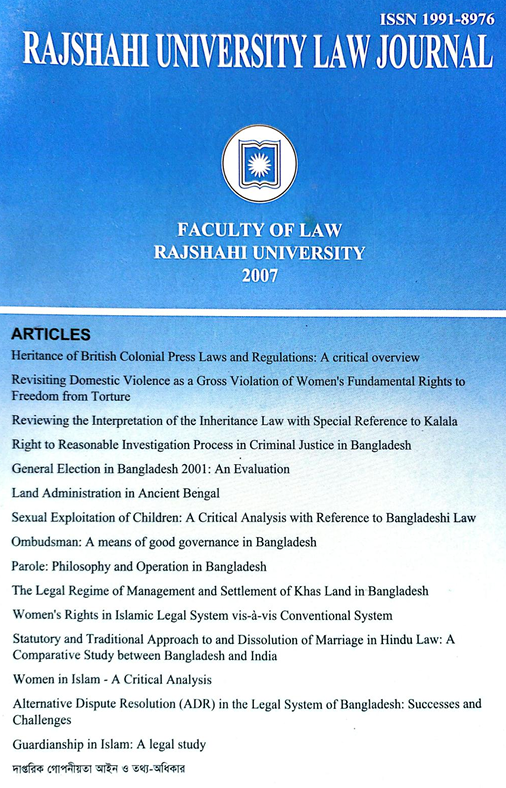
Parole is an alternative measure to punishment. The word parole originates from the French and used as “parole d’honeur” or “word of honour”. Historically, parole is a concept known to military law and denotes release of a prisoner of war on promise to return. According to Schwartz “Parole was born in America a century ago, intended as a reform to avoid having prisoners rot away in their cells. The theory was that rehabilitation would be fostered if the offender served the last portion of his sentence in the community, free but supervised. “3
Now a days, parole is a system of releasing prisoner, under supervision before the end of their prison sentence; they are not discharged officially from prison until the end of the parole period, and if they violate the conditions of parole they may be returned to prison to complete serving their sentence within the prison walls. Although not available under some sentences, parole is usually granted for good behaviour on the condition that the parolee regularly report to a supervising officer for a specified period. It is a kind of supervision that begins after a person’s release from prison or jail after serving part of a sentence. Parole is a privilege, not a right. While only a judge can sentence someone to a jail term, the judge doesn’t decide how much of that jail sentence the person will have to serve before being released back into the community.